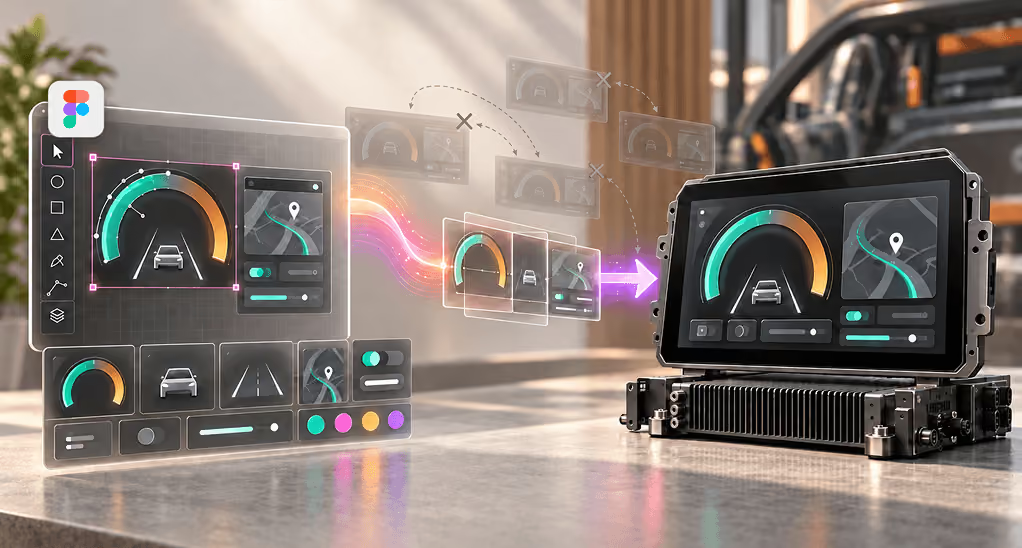
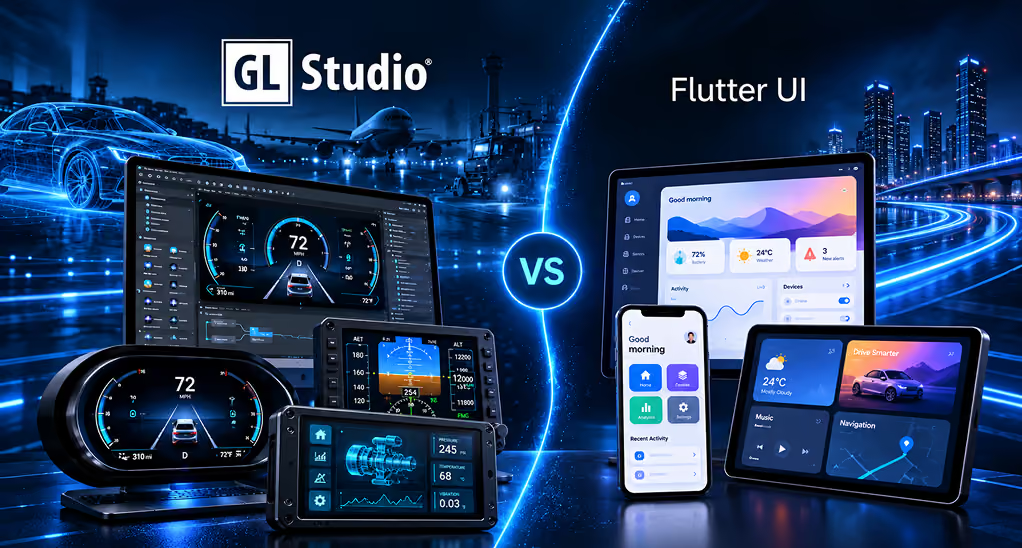
Building a user interface for a vehicle or a medical device is not the same as building a consumer app. The interface has to run reliably on embedded hardware, meet certification requirements, and stay stable for 10 to 15 years in the field. That is where the comparison between a Flutter user interface and GL Studio stops being a matter of preference and starts being a matter of program risk.
Flutter is a capable framework for consumer-facing screens where certification is not required, and rapid iteration matters more than deterministic behavior. GL Studio was built for the opposite scenario: environments where failure is not an option, but rapid iteration still exists. Choosing between them early influences certification timelines, hardware costs, engineering effort, and how much risk the program carries for the next decade.
The Real Cost of a Flutter UI Is Not the Prototype - It Is What Happens After Infotainment
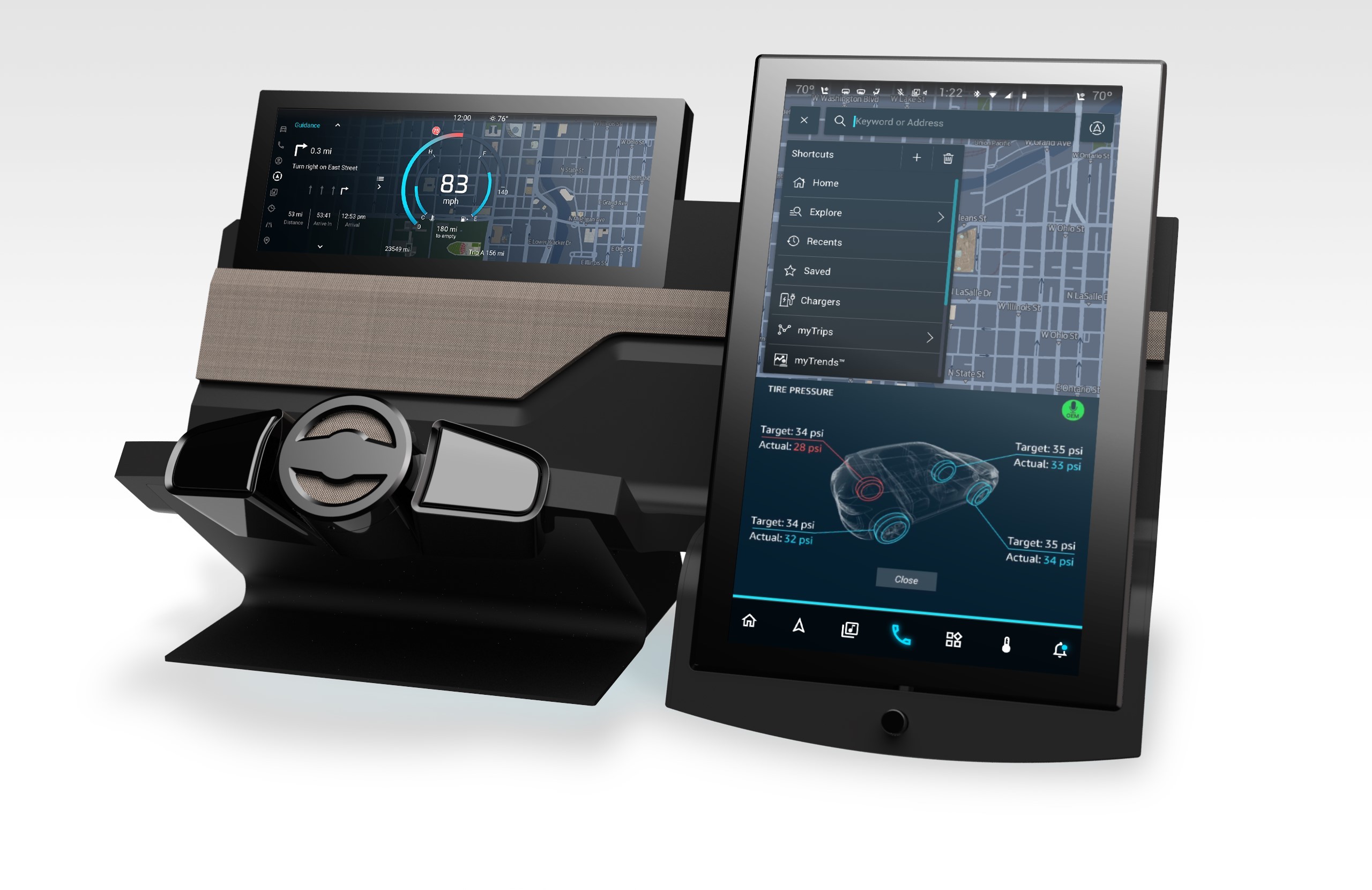
A Flutter UI looks impressive in a demo. The real question for automotive and medical programs is what happens when that same interface has to move from an infotainment screen into a safety-critical display like an instrument cluster, a HUD, or a patient monitoring panel.
That transition exposes the gap between an application framework built for consumer operating systems and a platform engineered specifically for regulated, safety-critical HMI. GL Studio approaches that issue directly, with pre-certified safety runtime libraries, deterministic C++ execution, and a development architecture designed for embedded targets rather than mobile devices.
Safety Certification: Infotainment vs. Instrument Cluster
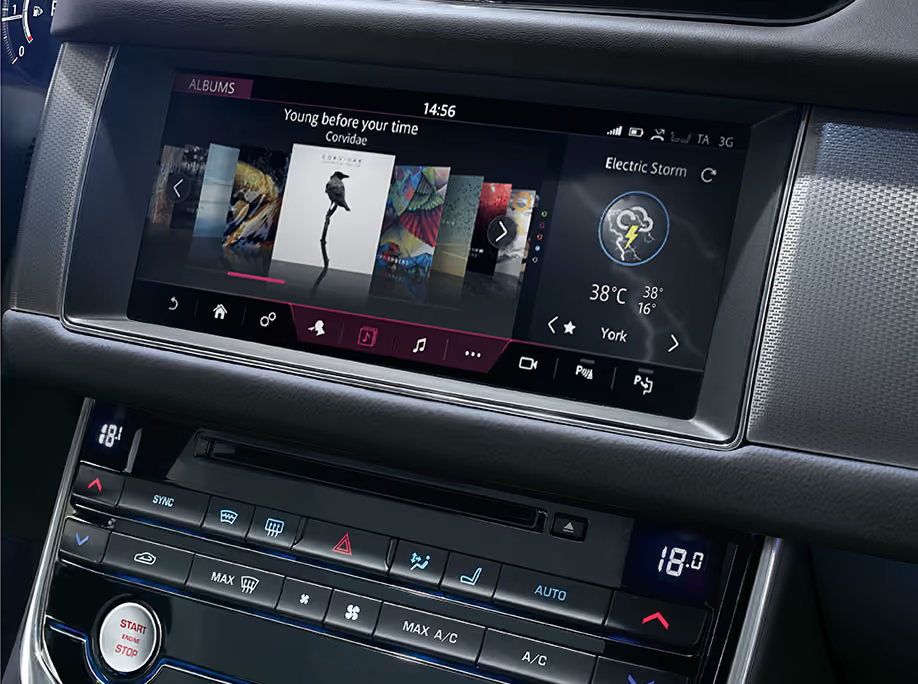
A Flutter user interface is excellent for Android Automotive infotainment screens, where safety certification is not required and hot reload supports fast iteration. It hits a hard wall the moment a program moves from entertainment into safety-critical territory. Flutter provides no native support for functional safety certification and no safety-grade runtime libraries.
GL Studio is built for exactly that territory. It offers pre-certified ISO 26262 ASIL D runtime libraries, reducing certification timelines compared to open-source alternatives like Flutter. That makes GL Studio the stronger fit for:
- Automotive instrument clusters and HUDs where certified, traceable software behavior is a program requirement
- Medical device UIs where regulatory approval depends on deterministic, verifiable software components
Deterministic Performance vs. Garbage-Collected "Jank"
Every Flutter UI runs on Dart, which relies on garbage collection for memory management. Even with optimization, garbage collection introduces unpredictable micro-stutters, commonly called jank, as memory is cleaned up in the background. That is tolerable in a mobile app. It is not tolerable in a backup camera warning on a digital cockpit or a real-time vital signs display on a medical monitor.
GL Studio generates clean, pure C++ code with explicit control over memory allocation, producing deterministic behavior and a stable, predictable frame rate with no surprise pauses from garbage collection cycles. In safety-critical HMI, zero dropped frames is not a marketing claim, it is a requirement a Flutter user interface cannot guarantee by design.
GL Studio Changes the Economics of Choosing Between a Flutter UI and a Safety-Critical Platform
Traditional consumer UI frameworks create a cost penalty that automotive and medical programs are not built to absorb: as certification, performance, and hardware requirements rise, a Flutter user interface requires more engineering effort to compensate for what it was never designed to do.
GL Studio changes that relationship by generating lean, production-ready C++ and supporting deterministic execution on constrained embedded hardware.
For teams comparing a Flutter user interface against GL Studio, the question is not which one has more features. It is which one prevents the program from paying repeatedly for certification delays, hardware upgrades, and unplanned rework.
Get More from the Target Hardware Before Spending More on a Flutter UI's Silicon Demands
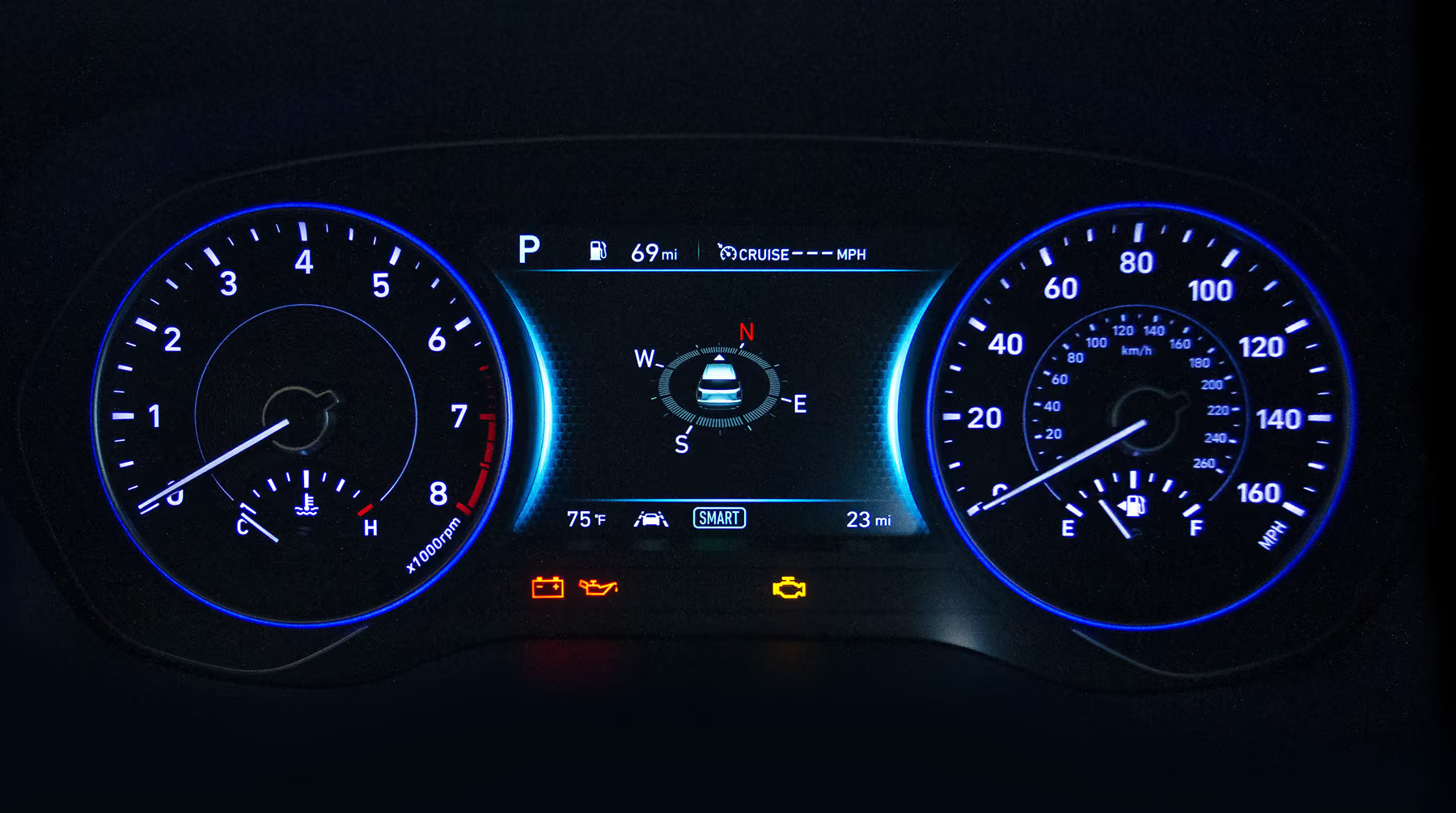
A Flutter UI's rich rendering stack and resource demands often push automotive and medical programs toward higher-spec SoCs to keep the interface feeling smooth. That drives up bill-of-materials cost, power consumption, and thermal complexity, concerns that matter far more in embedded production than in a mobile app.
Architectural Mechanics & Business Outcomes
- Close-to-Hardware Native C++ Execution: GL Studio compiles into tight, optimized C++ binaries that run efficiently on lower-tier MPUs and even high-end MCUs, with minimal overhead.
- BOM Protection Under Scaling: Where a Flutter user interface pushes toward costlier silicon as complexity grows, GL Studio's efficient runtime gives programs more room to add visual features without automatically triggering a hardware upgrade.
- Strategic Hardware Flexibility: Better target utilization helps OEMs and Tier 1 suppliers reuse existing hardware platforms instead of re-speccing around a Flutter UI's resource demands.
The engineering question is not only "Can the interface run on Flutter?" It is "What hardware does a Flutter UI force us to buy just to run it reliably?"
Fewer Places for Framework Risk to Enter a Decade-Long Program
Automotive and medical programs run far longer than the typical consumer app lifecycle. A Flutter user interface is tied to Google's fast-moving development ecosystem, where packages get deprecated, APIs shift, and entire initiatives can pivot or be discontinued. That is a real risk for any team betting a ten-year product line on a Flutter UI.
- Stable Toolchains: GL Studio is backed by long-term commercial support agreements and a track record across aerospace, defense, automotive, and medical markets.
- Predictable Updates: Programs get dedicated support and a predictable update path instead of ecosystem churn.
- Reduced Mid-Program Risk: Less exposure to a framework pivot forcing a redevelopment cycle mid-lifecycle.
Safety Readiness Becomes a Program Advantage When It Is Built in Early
Functional safety becomes far more expensive when it is treated as a late-stage question. If a program builds on a Flutter user interface and only discovers the certification gap after architecture and validation plans are locked in, the result is rework, schedule disruption, and unplanned engineering cost.
Start From a Known Safety-Critical Baseline
GL Studio supports safety-critical HMI development across automotive, avionics, and medical industries, with capabilities aligned to standards including ISO 26262 up to ASIL D, DO-178C up to DAL A, and IEC 62304. Its automotive Safety-Critical Runtime Library is certified by TÜV NORD to ISO 26262 up to ASIL D.
Make Safety Part of the Flutter UI vs. GL Studio Decision
Safety readiness belongs beside performance, hardware compatibility, and long-term maintainability when comparing a Flutter user interface against a purpose-built platform like GL Studio. For regulated programs, the stronger platform reduces unresolved technical and liability risk before it becomes expensive engineering work.
Where GL Studio Creates the Greatest Advantage Over a Flutter UI
GL Studio creates the greatest advantage wherever certification requirements, deterministic performance, hardware constraints, and long product lifecycles make a general-purpose Flutter user interface an increasingly risky foundation.
- For Automotive OEMs: When instrument clusters and HUDs require ASIL D certification and long lifecycle support, GL Studio's pre-certified runtime and reusable assets protect the program's investment in ways a Flutter UI cannot.
- For Medical Device Manufacturers: When regulatory approval depends on deterministic, traceable software behavior, GL Studio's safety-critical foundation reduces the risk of late-stage rework that a Flutter user interface would introduce.
- For Tier 1 Suppliers: When multiple customer programs demand predictable delivery and lower BOM costs, GL Studio's optimized C++ generation reduces the hardware and engineering overhead associated with a Flutter UI's resource-heavy runtime.
- For Engineering Leaders: When an open-source Flutter UI looks attractive on license cost alone, GL Studio shifts the decision toward total program risk; certification, liability, hardware, and lifecycle cost combined.
The Buying Decision: Flutter UI Flexibility vs. Total Program Risk
A Flutter user interface is not without its strengths in the right context. The larger financial and safety impact comes after the framework is selected and the program moves toward certification and production.
For programs evaluating a Flutter user interface against GL Studio, the comparison is less about which framework builds a prettier screen and more about which platform the program can still depend on ten years into production.
Reduce the Risk of Your Next Safety-Critical HMI Program with DiSTI
If your automotive or medical HMI program is evaluating a Flutter UI for anything beyond non-safety-critical infotainment, the certification, performance, and hardware gaps outlined above are worth resolving before architecture decisions are locked in. The cost of discovering these limitations late in a program is far higher than the cost of evaluating the right platform up front.
DiSTI can help assess where GL Studio reduces certification timelines, protects hardware flexibility, and eliminates the deterministic performance risk that comes with a garbage-collected Flutter user interface, before those gaps become embedded in your production timeline.
Conclusion
The choice between a Flutter UI and GL Studio comes down to what kind of interface you are actually building. If the goal is a consumer-facing infotainment screen on Android Automotive, a Flutter user interface can be a reasonable, fast-iterating choice.
But if the interface sits behind an instrument cluster, a HUD, or a regulated medical monitor, where certification, deterministic performance, hardware efficiency, and long-term stability are not optional, the calculus changes entirely. A Flutter UI was never built to carry that weight. GL Studio was.
Garbage collection introduces “jank”. Uncertified runtimes introduce certification risk. Resource-heavy rendering pushes up hardware cost. An open-source ecosystem introduces long-term liability exposure. GL Studio® addresses all four through pre-certified safety runtime libraries, deterministic C++ execution, embedded hardware efficiency, and enterprise-grade commercial support.
That is the larger advantage: fewer places for certification delay, hardware cost, and unplanned risk to enter a program that has to run reliably for the next decade.
For teams planning their next safety-critical HMI, that makes the Flutter UI vs. GL Studio decision more strategic than a simple framework comparison. It means identifying where certification risk, performance risk, and hardware risk are most likely to accumulate, and choosing the platform built to prevent them before they become embedded in the program.
Talk to DiSTI about how GL Studio can replace the risk of a Flutter user interface with a safety-grade foundation built for automotive and medical HMI.